



SOWETO KIDS CARE ABOUT THEIR INDIGENOUS GAMES!
By KOPANO MONAHENG
SOONER or later, kids won’t know much about their indigenous games anymore.
This is because parents are gradually losing interest in them.
The only time we, as South Africans, seem to focus on indigenous games is during Heritage Month. But there is a lot that children can gain from knowing about their heritage, including future job opportunities.
The Department of Basic Education is encouraging schoolchildren to play these games at home, at school and everywhere they may be.
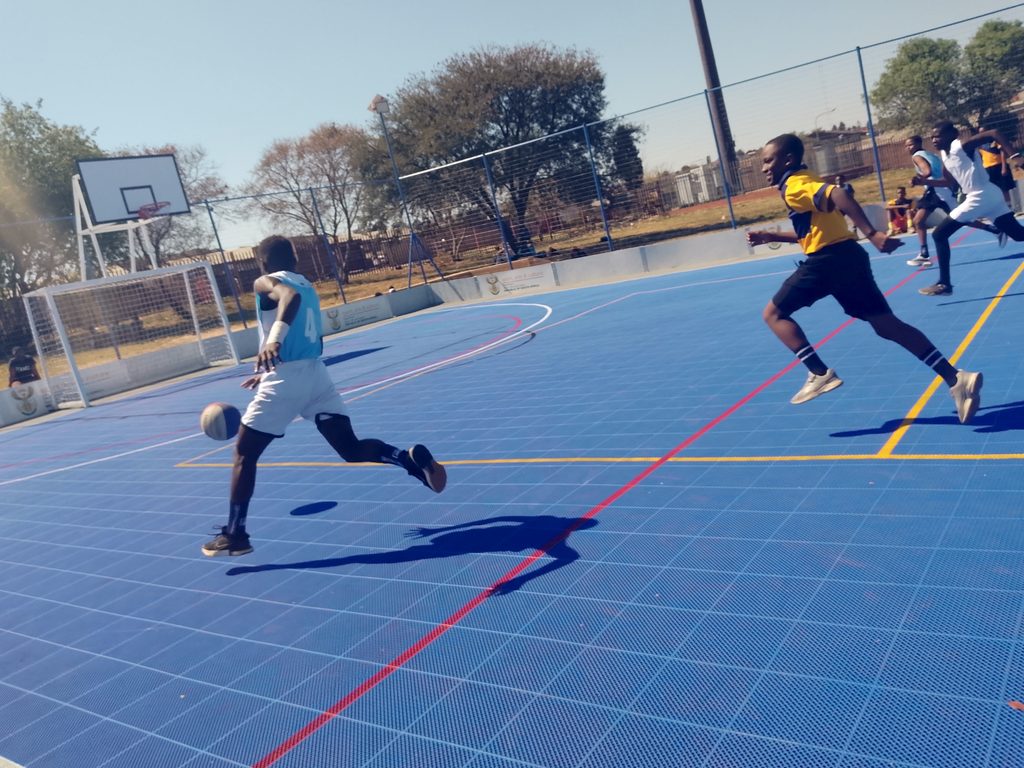
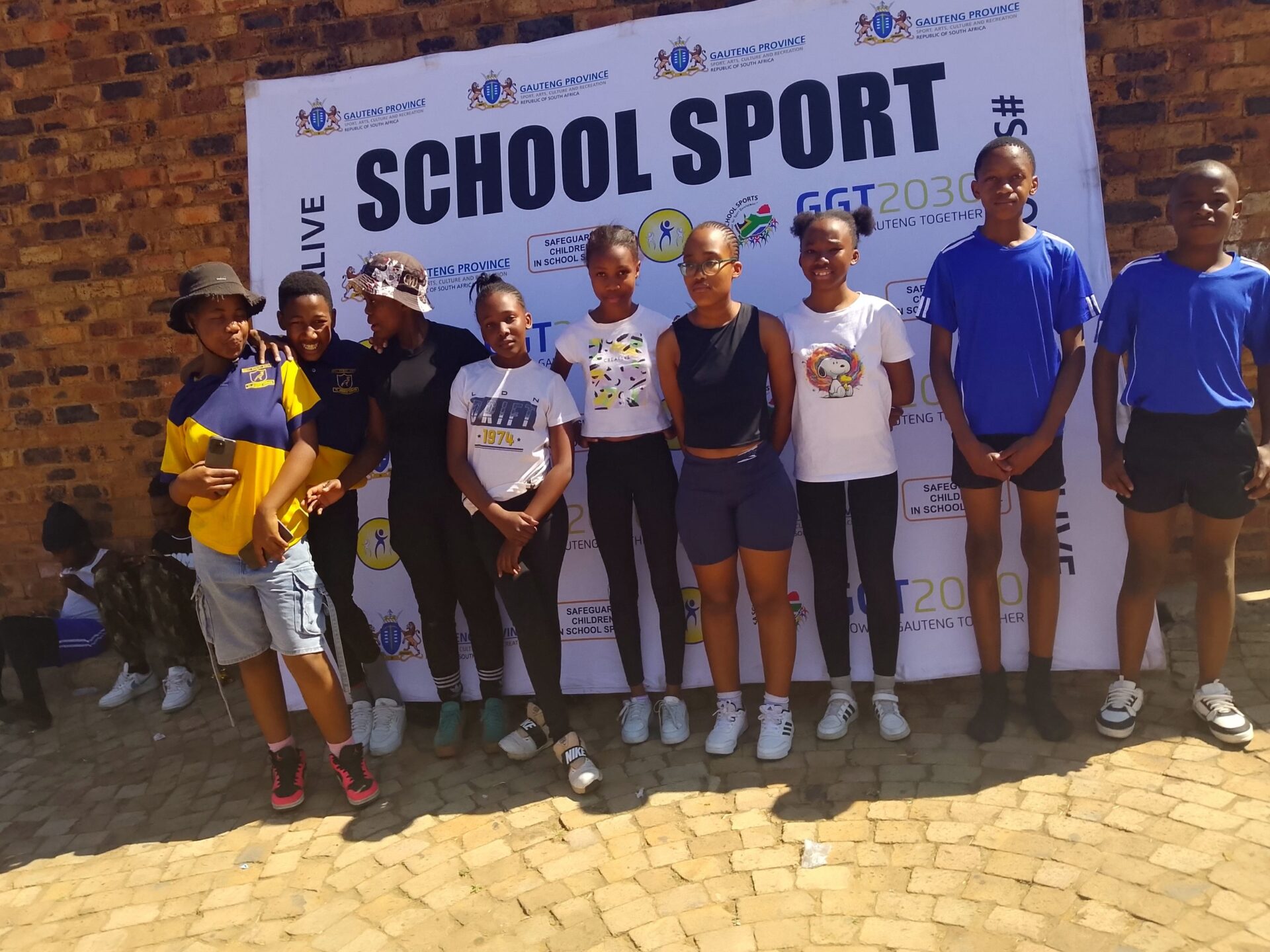
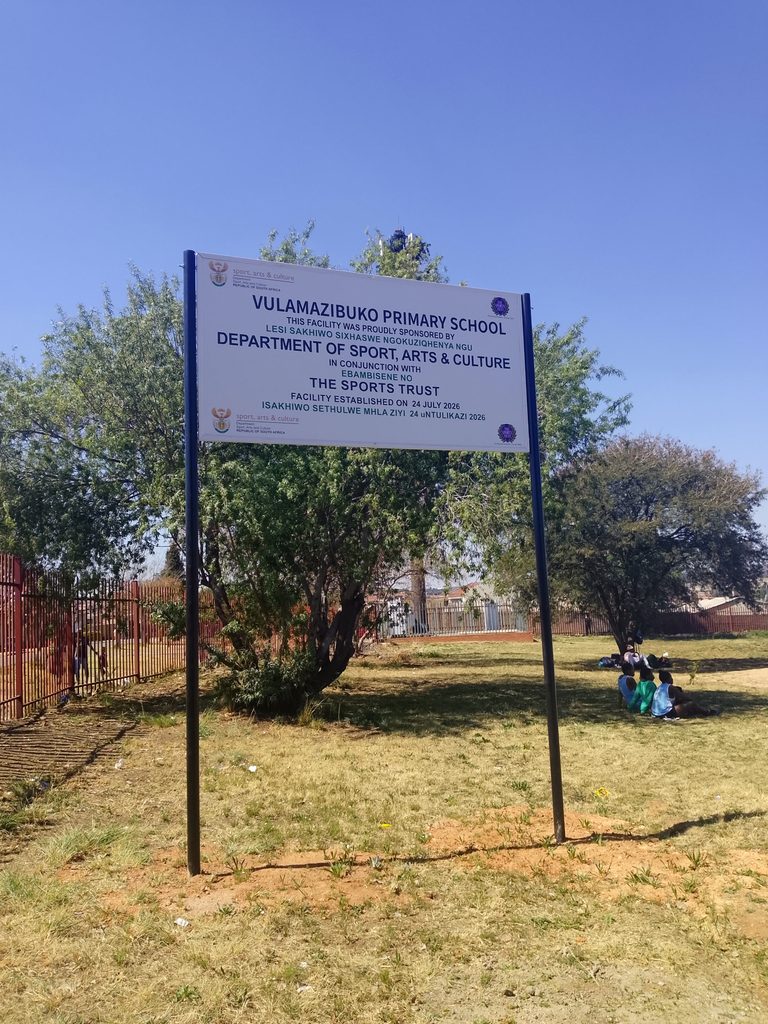
On Saturday, 22 August, at Vulamazibuko Primary School in Diepkloof Soweto, more than 15 primary schools participated in morabaraba, kgati, khokho, basketball and other games aimed at keeping children’s minds occupied and helping them stay focused in life.
These games are not only helping children mentally and physically, but they can also help them create employment opportunities for themselves.
Not every child will succeed academically, and indigenous games could open other doors for young people while also helping to preserve South Africa’s rich heritage.
This is exactly what Grace Fisher, the district sports coordinator for D10, which covers Johannesburg North, wants to see happening.
According to Fisher, the district includes schools from Soweto, Randburg, Diepsloot, Cosmo City, Central and the Westbury area.
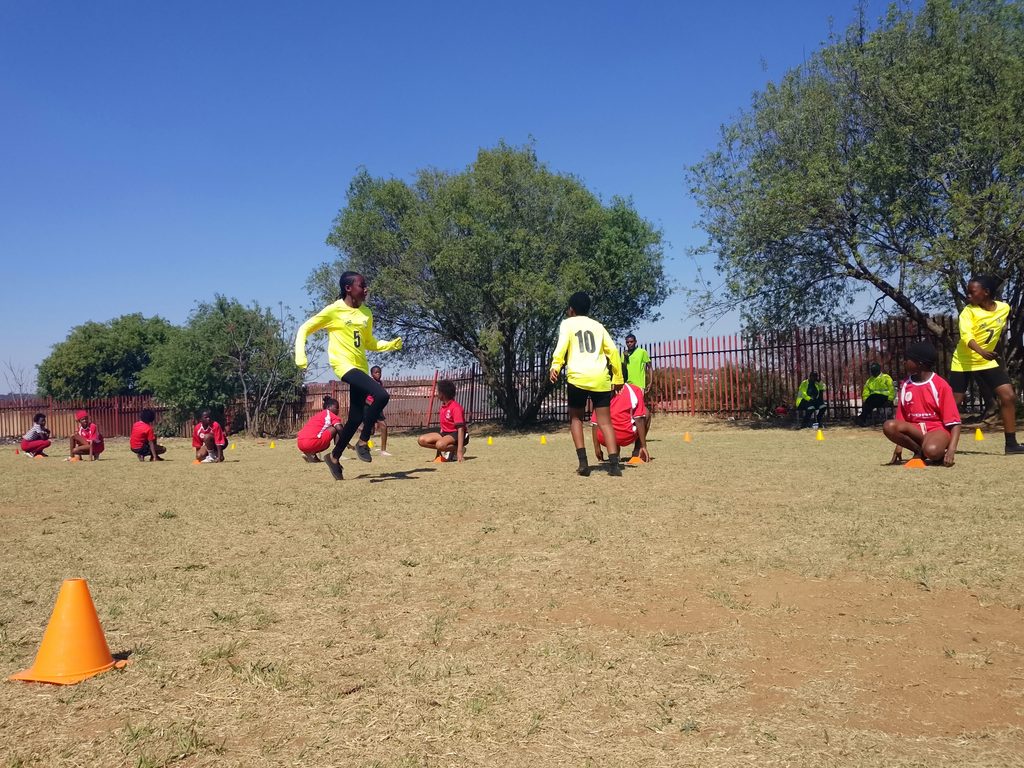
Speaking about the annual Summer Games, Fisher said indigenous games have now been added to the programme, giving learners an opportunity to reconnect with games that have been part of South African culture for generations.
“This is our annual Summer Games. This year, we added indigenous games to our programme, including kgati, khokho and morabaraba,” she said.
Fisher explained that kgati and khokho are different games, while morabaraba is a traditional board game that requires concentration and strategic thinking.
The games are not only about competition, but also about keeping young minds active and encouraging children to spend less time on their gadgets.
“We want to hold on to our heritage. We don’t want to lose that. These days, kids are more into their phones, and these are hand-and-foot coordination games,” said Fisher.
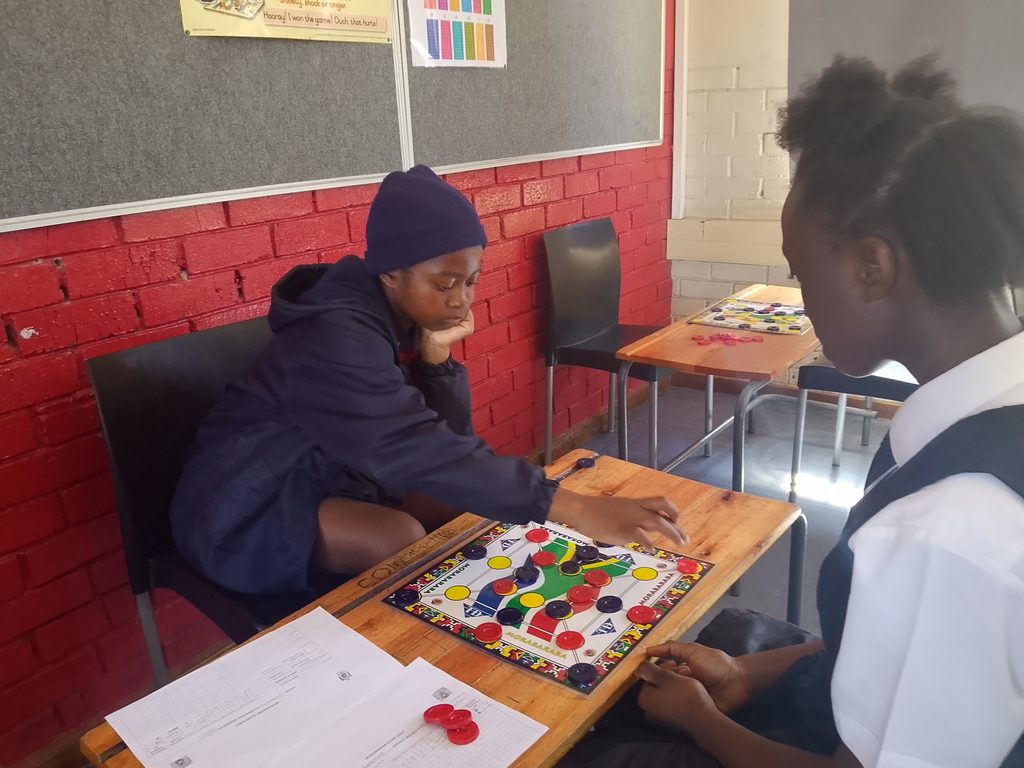
“We are trying to bring back the games, improve concentration and get our kids away from gadgets. We want them to think and work together in groups.”
The district games are held annually in different clusters, with this year’s event attracting about 15 schools. However, not all schools brought teams for every sporting code.
Fisher said some schools only participated in kgati because it is a new addition to the programme, with schools receiving training about a month ago before implementing it.
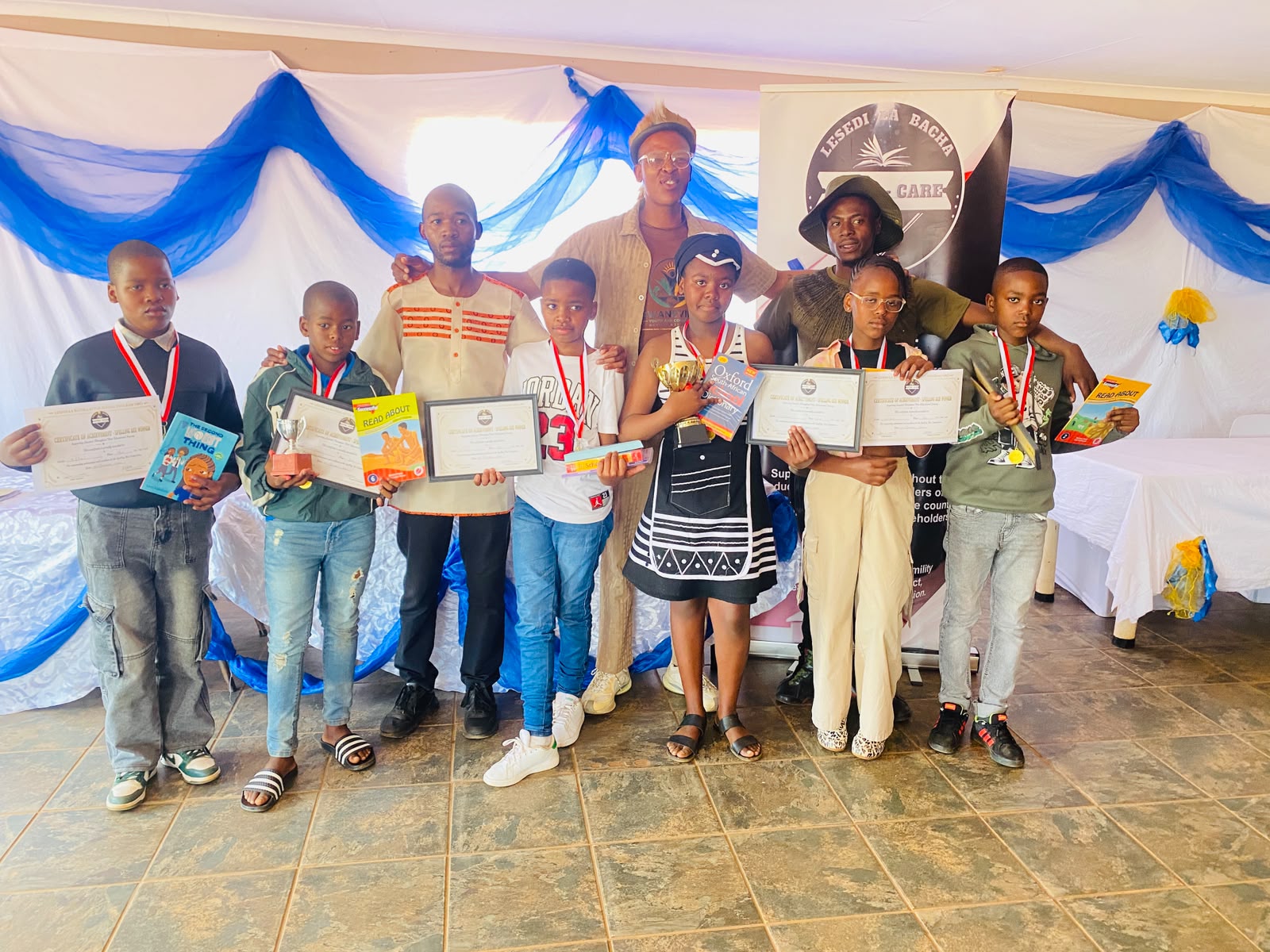
Basketball also attracted teams from about seven schools, while learners who perform well in selected codes will have an opportunity to progress to higher levels of competition.
“The under-15 basketball team will be going to nationals, while under-14 will also be going to nationals. Morabaraba under-14 and under-19 will also be going to nationals,” she said.
The journey does not end at district level.
The next stage will be regional competition, followed by provincial selection, with the provincial international competition expected to take place in December in Pretoria.
For Fisher, however, the biggest victory is not only about winning trophies. It is about keeping children active, focused and away from the dangers that come with having nothing positive to do.
“A child in sports is a child off the street. A child that is actively busy is a child whose brain is not idle,” she said.
She also praised the teachers who give up their Saturdays and family time to prepare and accompany learners to sporting events.
“It doesn’t only start here. It starts at school, where they have to prepare these kids and accompany them. So they offer up a lot to the children,” said Fisher.
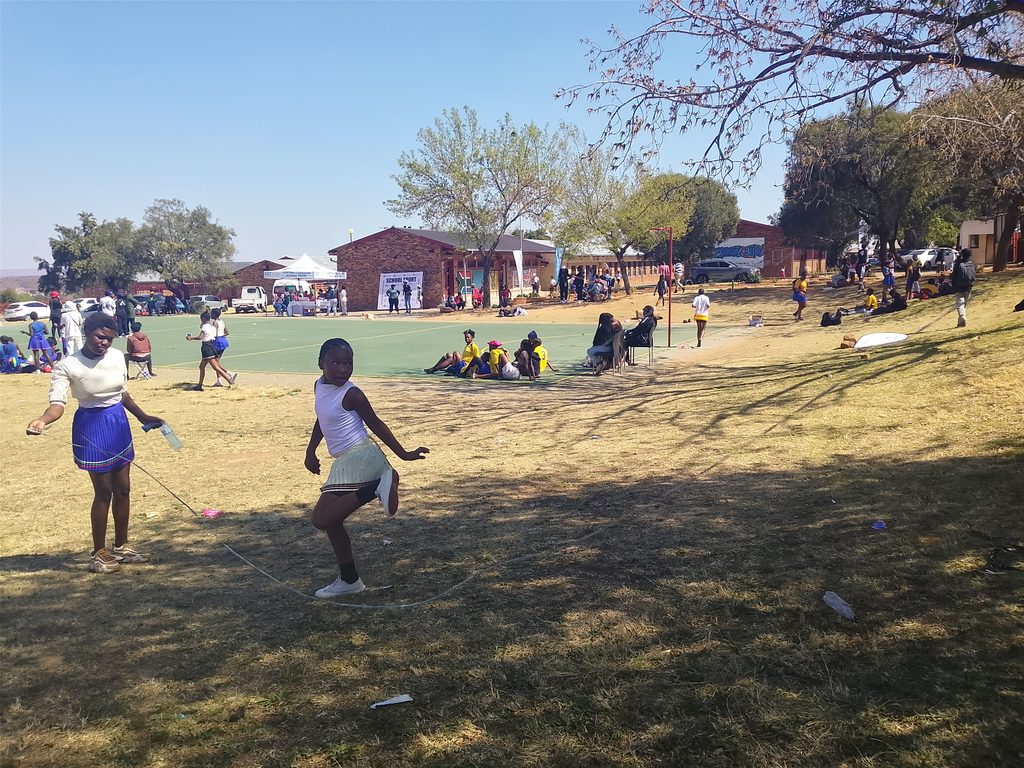
As the day came to an end at district level, the message was clear: indigenous games should not only be remembered during Heritage Month.
They need to be played, taught and passed on to the next generation.
For the learners, these games could be the beginning of a sporting journey. For South Africa, they could be the key to keeping a valuable part of its heritage alive.
“We want to say, don’t stop trying, don’t stop dreaming,” Fisher said.