





AFRICA’S FUTURE DEPENDS ON WORKING TOGETHER!
By KOPANO MONAHENG
AFRICA can become a better place to live if its leaders work together to unite the continent, strengthen trade and grow its economies.
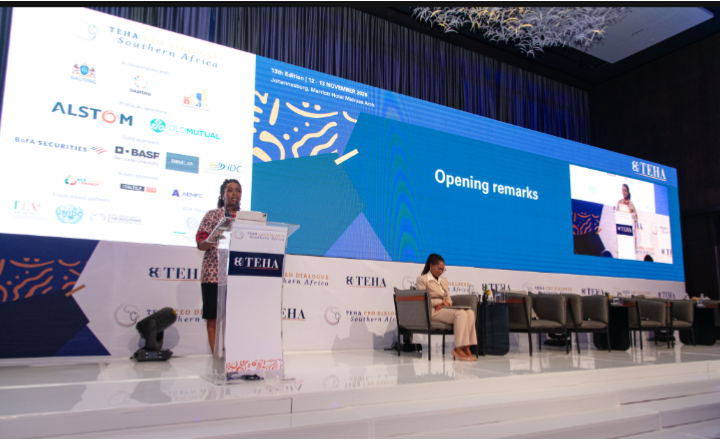
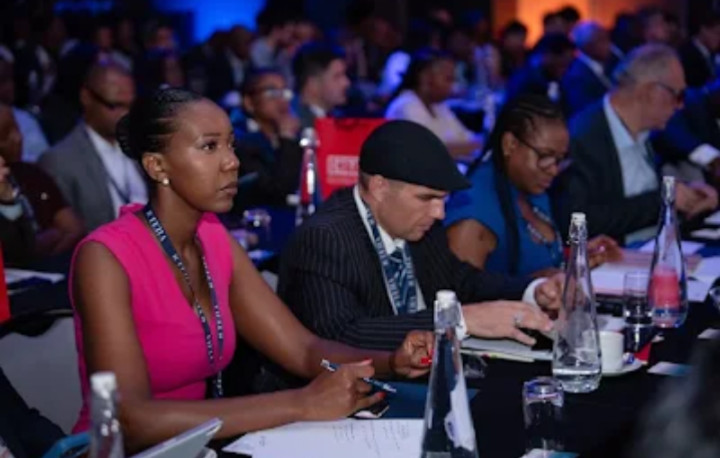
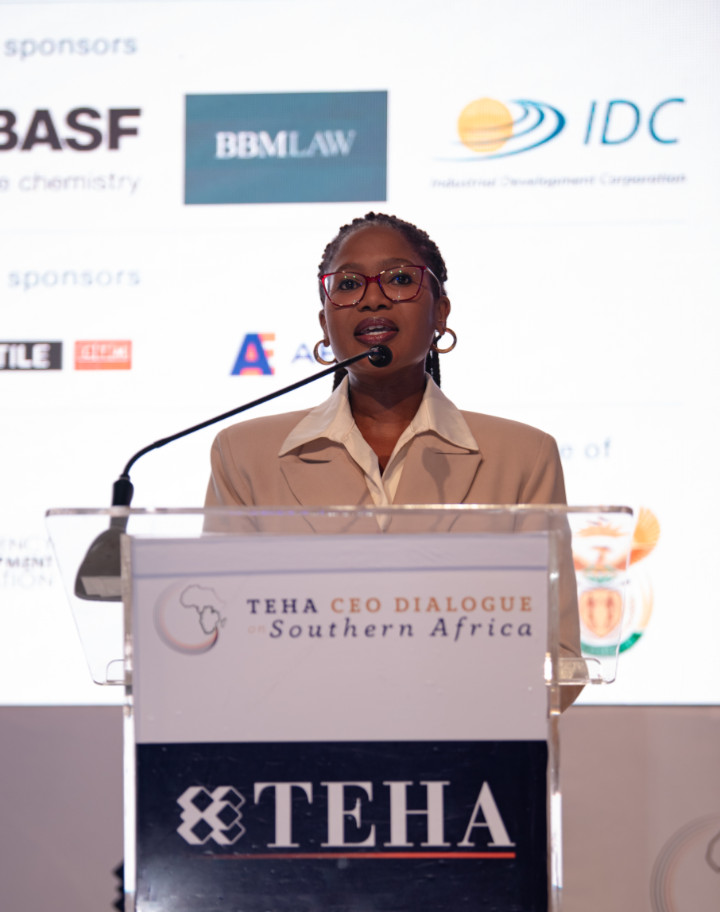
That was a key message at the 13th TEHA CEO Dialogue on Southern Africa, a regional economic summit taking place from 12 to 13 November in Johannesburg.
The summit is organised by The European House – Ambrosetti (TEHA), an Italian economic think tank, in partnership with the Gauteng Growth and Development Agency (GGDA). The dialogue brings together chief executives, government ministers, economists, investors, policymakers and business leaders from Africa and Europe.
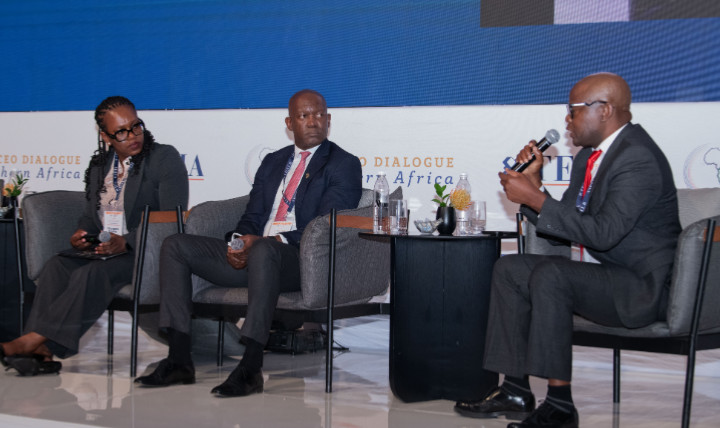
The gathering provides a platform to share knowledge and explore ways to strengthen regional trade, attract investment, improve infrastructure, advance industrialisation and create jobs.
Discussions also cover energy, mining, regulatory barriers and domestic capital to support development.
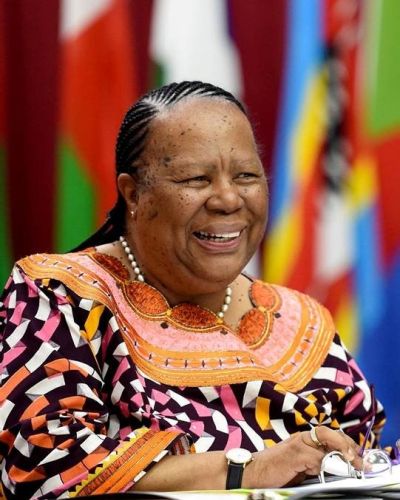
Dr Naledi Pandor, former Minister of International Relations and Cooperation, now Chancellor of Nelson Mandela University and chairperson of the Nelson Mandela Foundation board, told The Imagy that cooperation was essential for regional growth.
“I think it’s very good that TEHA and its partners have arranged the summit where we discuss integration of trade in Southern Africa,” she said.
Pandor said African economies remained too separate, limiting growth. Dialogue between business leaders could improve coordination and identify areas requiring regulatory reform.
She stressed that education and skills development must be central to Africa’s future, warning that the continent could not afford to waste its young population.
“If we have quality schools, quality universities, quality colleges, we will be able to produce the skills for the future,” she said.
Pandor called for investment in manufacturing and industrialisation, saying these sectors could create jobs. She urged education institutions to align programmes with economic needs and encourage young people to consider vocational and technical training.
“These are the real opportunities for entrepreneurship and jobs,” she said.
The challenge is to turn dialogue and investment commitments into practical opportunities that improve lives across Southern Africa.
Images: SUPPLIED