





EXTREME WEATHER TESTS AFRICAN AGRICULTURE
Extreme weather across South Africa and the continent, including El Niño, is a recurring risk demanding a resilient agricultural sector. Its future depends on empowering vulnerable producers to anticipate shocks, respond and recover.
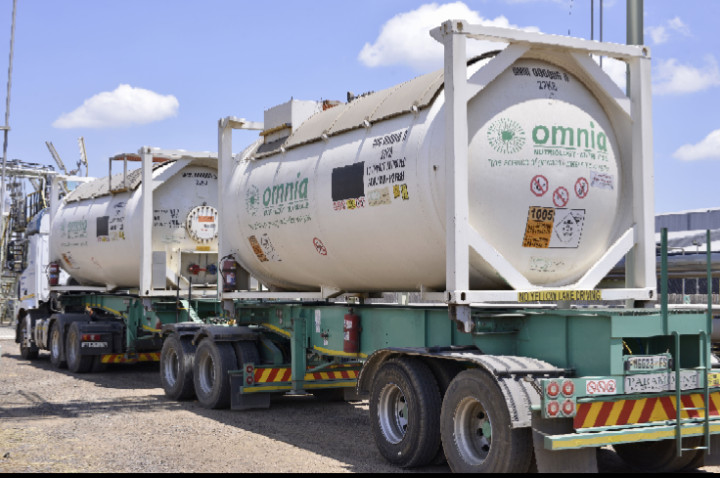
Resilience requires information, expertise and support before crises emerge. Omnia broadens access to science-based agricultural expertise, including soil-health management and sustainable practices that improve productivity, resource efficiency and farm sustainability. However, access remains uneven.
Omnia has embedded climate considerations in its strategy. “Extreme weather is one of the most pressing environmental challenges facing the world,” says Stephan Serfontein, Omnia Executive Director, adding that helping customers respond to changing conditions through efficient, responsible product use is central to its Nutriology® model.
Resilience cannot rest on producers alone. Producers need historical data, seasonal forecasts, field-specific risk profiles, agronomical advice and knowledge-sharing. Agribusinesses should improve access to climate information, advisory services and technologies, and invest in producer development. Governments should expand market access, strengthen infrastructure and provide practical climate-adaptation support.
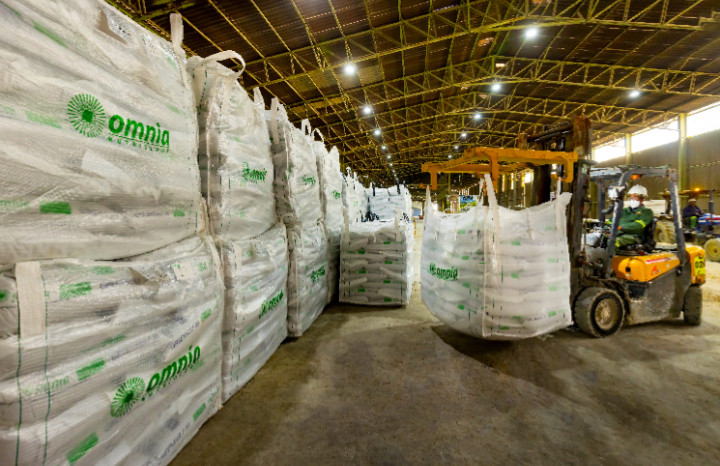
In Zambia, Omnia established a soil laboratory to analyse soil and understand local conditions. Soil mapping and agricultural data inform tailored fertiliser solutions for different soils, crops and regions, applying nutrients at the right time, rate and place. Omnia also worked with the Zambian government to commission a fertiliser-blending plant in Lusaka, bringing crop-specific fertilisers to market.
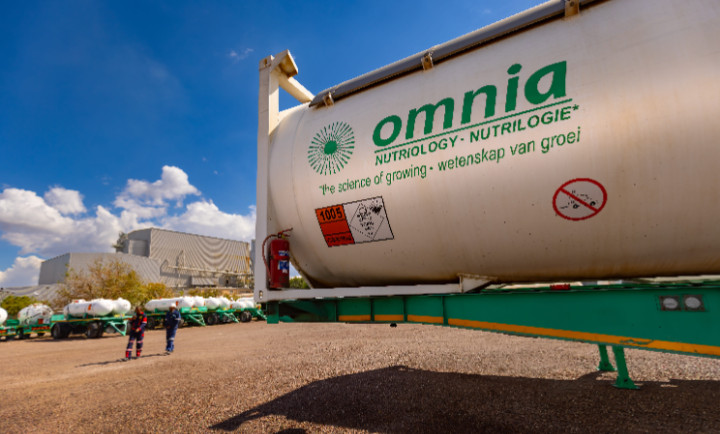
Investment in manufacturing and supply-chain capabilities across SADC supports security of supply. Partnerships combine government’s enabling role with business investment and expertise.
This aligns with South Africa’s Government-Business Partnership, which identifies agriculture as a growth sector able to attract investment, create jobs and promote inclusive development.
Weather volatility may be unavoidable, but its effects on livelihoods, productivity and food security are not predetermined. Insights, partnerships and resources can help producers adapt and thrive in an increasingly uncertain environment.