





STRONG FOUNDATION KEY TO CHILDREN’S FUTURE SUCCESS

By KOPANO MONAHENG
GONE are the days when parents simply sent their children to school hoping they would work hard, pass their exams and secure a successful future.
Today, education is increasingly about the holistic development of young people, focusing not only on academic performance but also on emotional intelligence and other developmental skills that help children thrive.
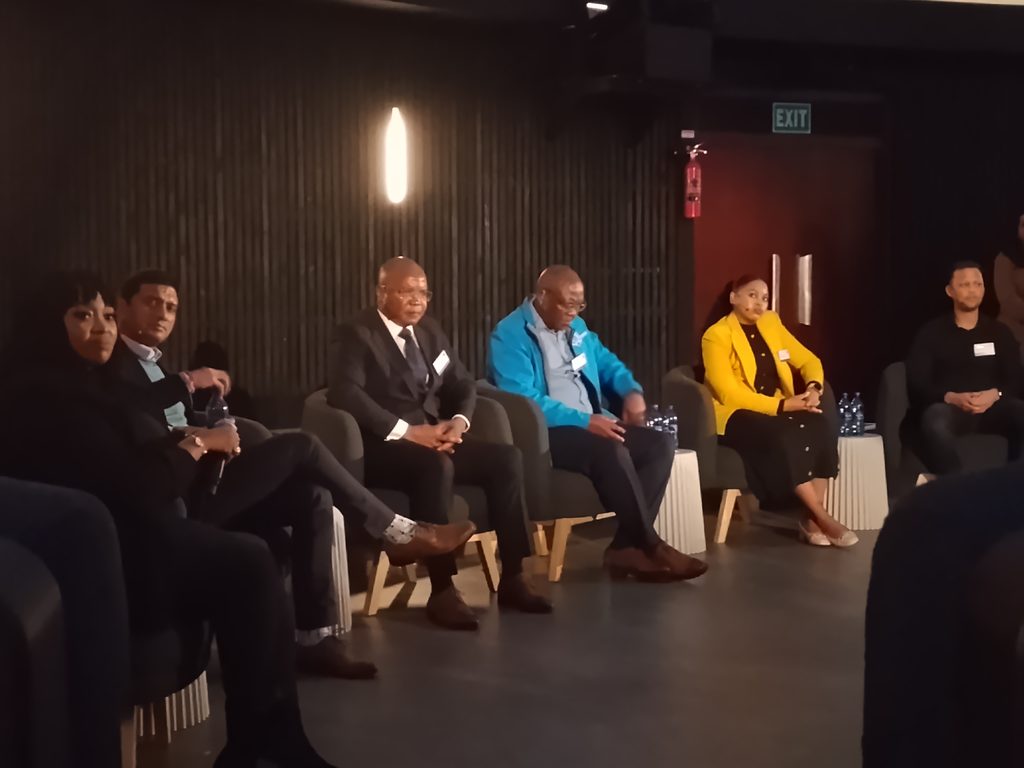
This was highlighted by Dr Beverly Seabi, educational psychologist at the FNB Education Insights 2026 launch, held at Wits University on Wednesday, 30 September.
The event aimed to encourage parents, guardians and those planning to start families to invest in their children’s education through investment policies, while raising awareness about the importance of planning for their educational future.
Seabi emphasised that a child’s success begins with a strong foundation, adding that early identification of developmental challenges can make a significant difference in a child’s educational journey.ucational journey.
“Everything starts with a foundation. When a house has a strong foundation, you know it will be easier to build on it. The same applies to a child.
“If a child has a strong foundation cognitively, perceptually, emotionally and scholastically, and has parents who are emotionally available, that child is more likely to thrive,” she said.
Seabi warned that some parents may not immediately recognise the challenges their children are experiencing until a psychologist recommends an assessment.
She stressed that taking children for assessments, including consultations with occupational therapists where appropriate, can help identify developmental difficulties early and ensure that the necessary support is provided.
“If we do not detect and address developmental challenges as early as three years of age, these difficulties can accumulate and affect a child’s educational journey throughout their life,” she said.
According to Seabi, assessments help professionals understand a child’s strengths, weaknesses and learning difficulties, including challenges with reading and spelling.
She explained that children initially learn to read, but as they progress through school, they reach a stage where they must read to learn.
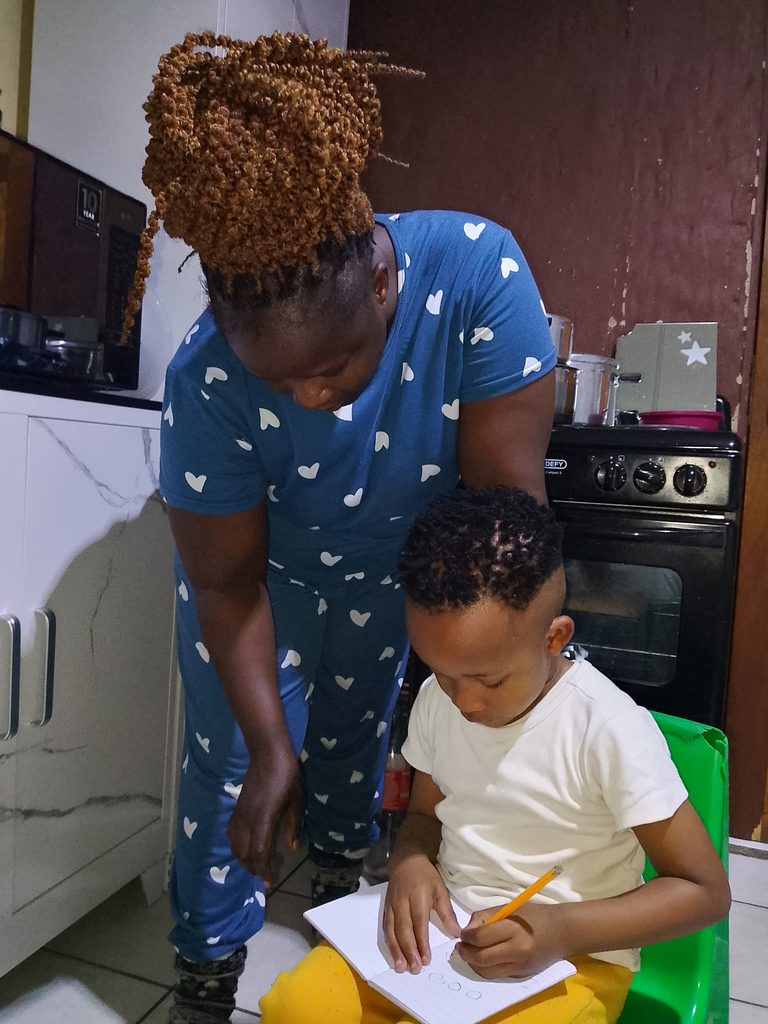
A child who struggles with reading may therefore find it difficult to acquire knowledge and perform well academically.
Seabi said identifying these challenges allows parents and schools to introduce appropriate interventions at home and in the classroom, helping children benefit fully from the teaching and learning environment.