



YOUNG MINDS, BIG IDEAS!
By KOPANO MONAHENG
THE ideas are there. The technology is there. The young talent is there. Now South Africa needs its young innovators to have the patience, courage and business knowledge to turn those ideas into something that works.
That was the powerful message delivered at the 2026 Tata Consultancy Services (TCS) Sustainathon South Africa in Sandton on 1 September.
Under the theme “AI for Sustainable Futures,” the Sustainathon challenged students and scholars to use artificial intelligence to tackle some of the country’s most pressing community problems — water conservation, food security and healthcare.
Hosted by TCS in partnership with the Tshwane University of Technology, Geekulcha and Skills Lab, the event placed young minds at the centre of the search for practical solutions to real problems.
And Langa Dube, Regional Director for TCS South Africa and the rest of Africa, had a message for the young innovators: don’t expect success overnight.
Dube warned participants that even the best idea can take time to find its market, attract funding and become a successful business.
“Be patient with your idea, be patient with your market, and be patient with the funders that will fund you. Eventually, your idea will work,” he said.
But Dube’s message went beyond patience.
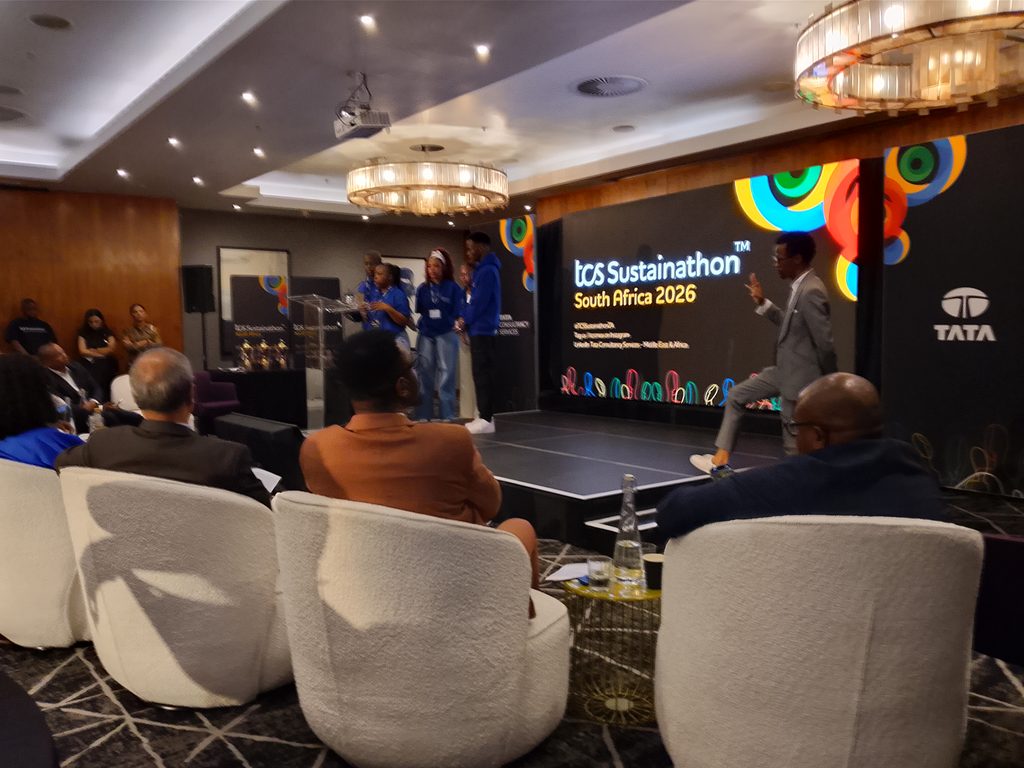
He challenged young innovators to stop thinking about technology in isolation and start asking a bigger question: How does my idea change the life of the person next door?
“We are getting closer and closer to the ideas being practical. Remember: you, your idea, your community, then make it practical,” he said.
For Dube, that connection between an idea and the community is where the real power of innovation lies.
He said the quality of the projects presented at the Sustainathon demonstrated that South Africa is producing young people capable of developing sophisticated technological solutions.
“I’m really quite grateful today for the passion I’ve seen and the ideas that are coming to the table,” he said.
Dube said the maturity displayed in the technology should give the country confidence in its young people.
“I can see a lot of maturity in the technology, which once more says to me, we have what it takes,” he said.
And then came perhaps the biggest lesson of the day.
Not every student who walked into the Sustainathon will walk away with a business that survives.
Some ideas will change. Others may disappear completely.
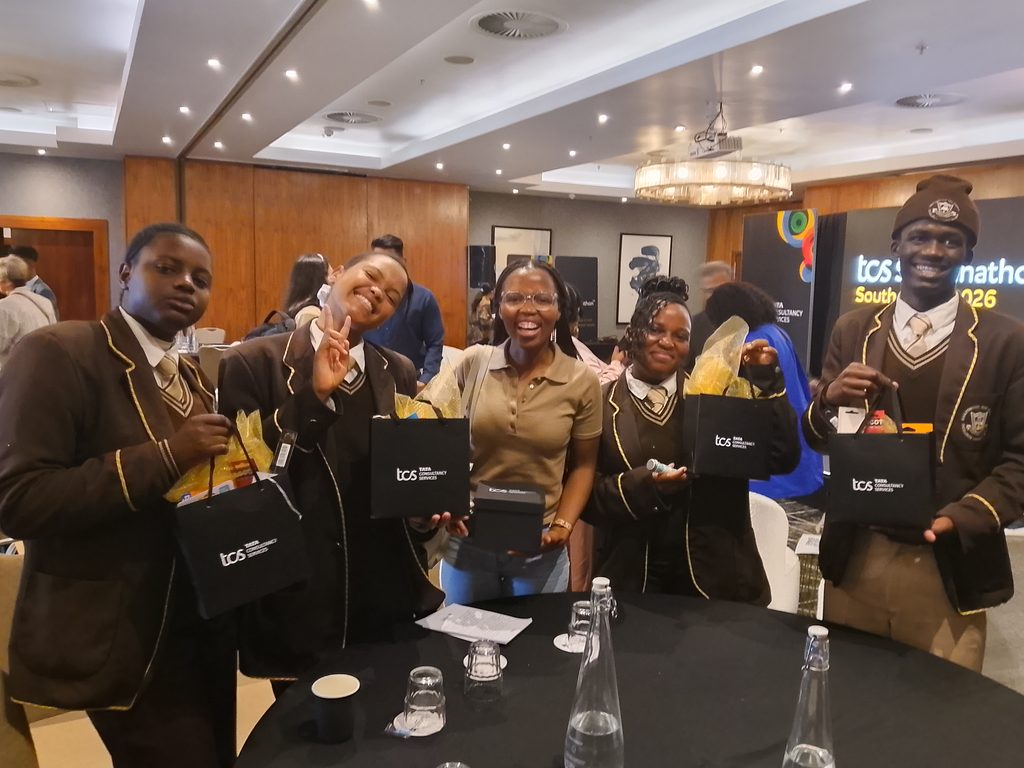
But Dube believes the entrepreneurial fire sparked by the competition could remain with the participants long after the event.
He said not every student would necessarily continue with the same business idea, but that many could eventually become entrepreneurs — perhaps after completing their studies, or even sooner.
The Sustainathon, he said, gives young people a pathway to take an idea from the drawing board into the real world.
“Sustainathon really provides us dependable pathways. It is really a pathway within which we are enabling you to think, work through it, ideate, try it out and then see that we can get it through,” Dube said.
The event also recognised the role played by the judges, who brought different perspectives and expertise to the process of assessing the young innovators.
“I want to say thank you to the esteemed judges. Each of you brings something different to the table,” Dube said.
For the students who took part, the Sustainathon was about more than competing for recognition.
It was a lesson in innovation, entrepreneurship and perseverance.
And perhaps the biggest lesson was simple: an idea is only the beginning.
South Africa’s young people may have the technology and the imagination. But turning those ideas into businesses and solutions that transform communities will require patience, resilience and the courage to keep going when things do not happen overnight.
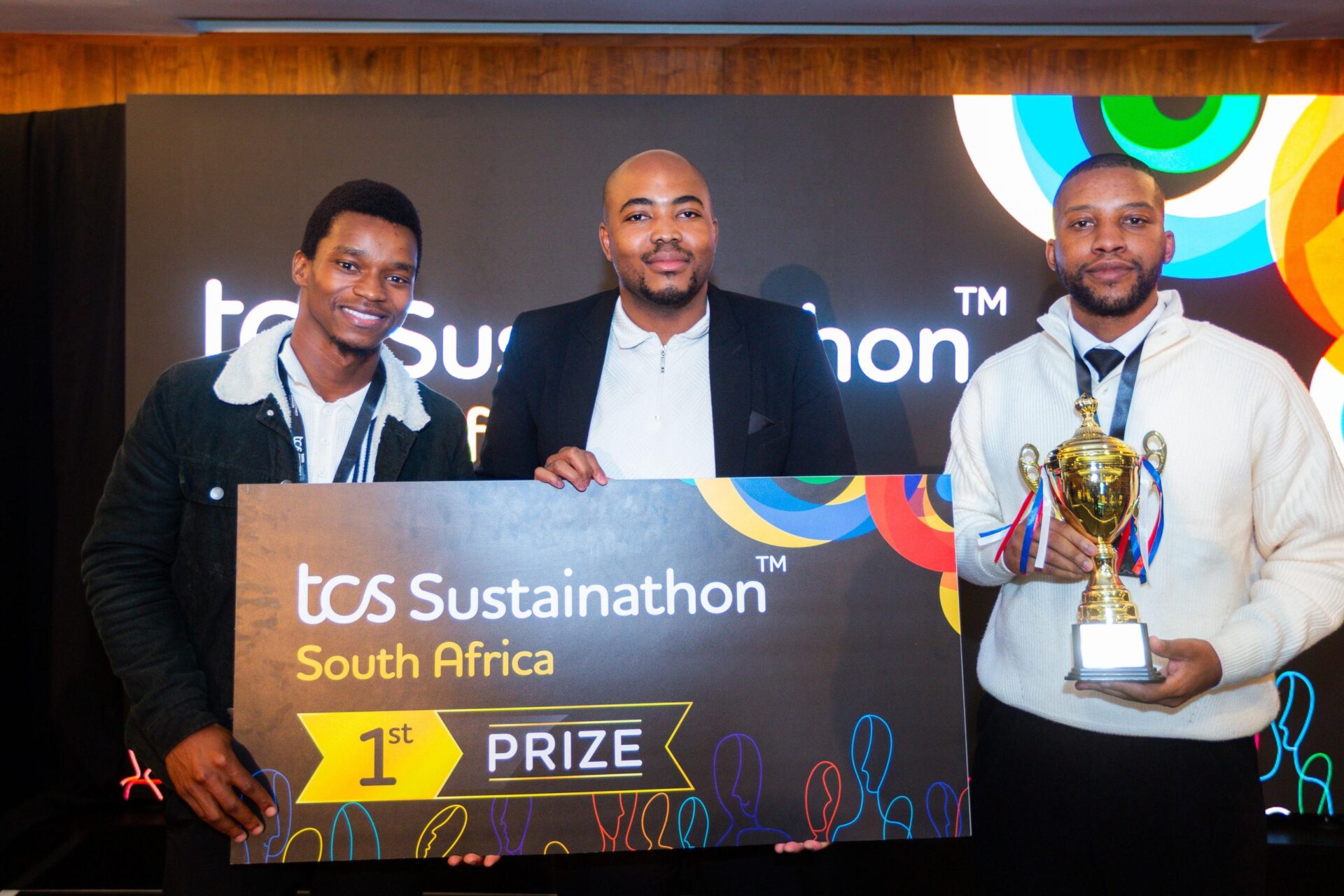
Team Still Lazy Tech, led by Msawenkosi Magwaza, Bongumusa Dladla, and Sipho Mokoena from Durban University of Technology, won the competition and the grand prize of ZAR 30,000. The winning team’s solution, Solar Mind, uses AI to help resolve solar energy problems. It addresses unreliable electricity and rising energy costs, with the potential to scale across South Africa.