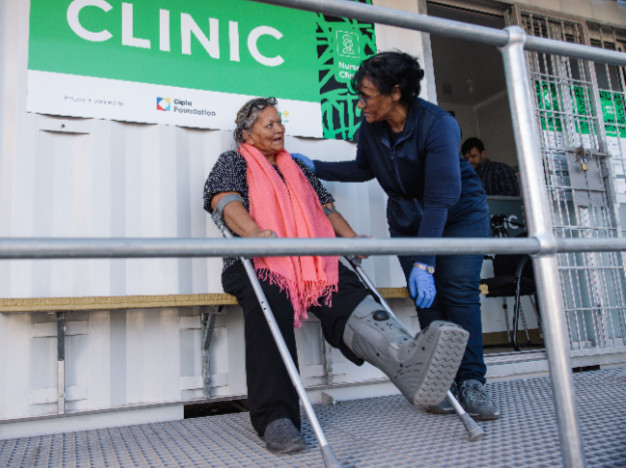






GAUTENG STRENGTHENS ACCESS TO PODIATRY SERVICES TO PREVENT DISABILITY AND IMPROVE FOOT HEALTH
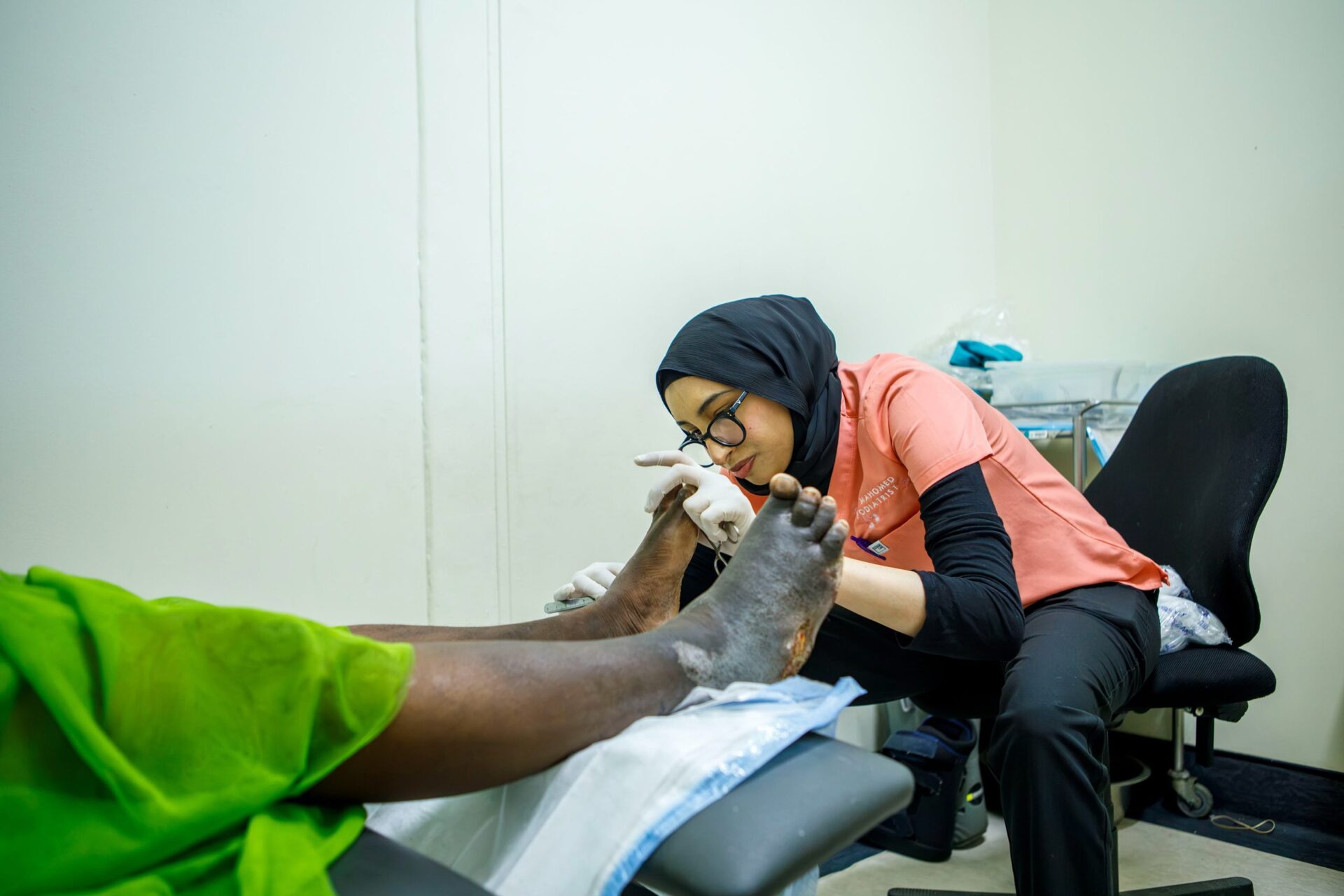
Podiatrists across the Gauteng Department of Health’s (GDoH) public healthcare facilities continue to play a vital role in improving mobility, maintaining independence and enhancing the quality of life of residents through specialised foot and ankle healthcare services.
As demand for foot care services continues to grow, Gauteng remains the leading province in public sector podiatry services, with 61 podiatrists providing specialised care across 11 hospitals and five health districts.
These services support people living with diabetes, circulatory disorders, HIV, TB and other chronic conditions, while also assisting children, older persons and individuals requiring rehabilitation and assistive devices.
During the 2025/26 financial year, podiatrists consulted 63 046 patients, screened 34 245 individuals, including 14 572 people living with diabetes, and issued 9 154 therapeutic devices aimed at preventing disability, improving function and maintaining independence.
Since April this year, the GDoH has managed more than 25 044 diabetes-related consultations, conducted 15 267 wound-management interventions and delivered foot health education to thousands of patients across the province.
The Department also participated in 42 awareness campaigns focused on early detection, prevention and management of diabetic foot complications and other lower-limb conditions. These interventions form part of a broader provincial strategy to improve foot health, prevent complications and ensure better long-term health outcomes for residents across Gauteng.
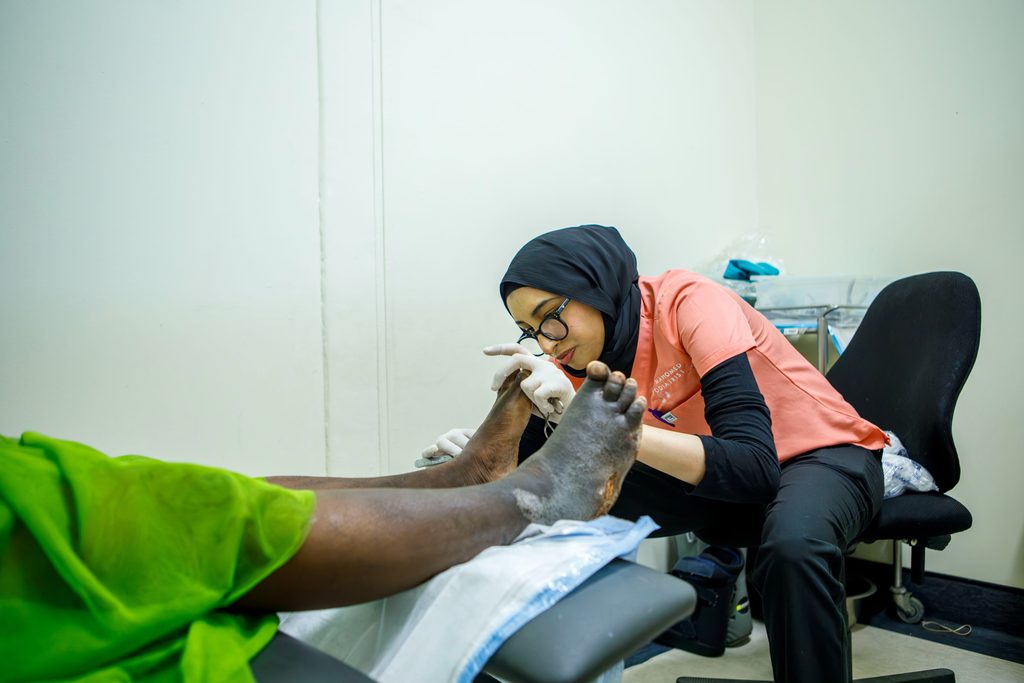
Podiatry services form an integral part of the provincial response to diabetes, non-communicable diseases, HIV and TB complications, rehabilitation services, disability management and healthy ageing.
Through multidisciplinary collaboration, podiatrists work alongside doctors, nurses, physiotherapists, occupational therapists, dietitians and other healthcare professionals to improve health outcomes and prevent serious complications.
To ensure that communities receive early screening, treatment and ongoing foot care closer to where they live, podiatry services are provided through district health facilities, therapeutic service hubs and specialist hospitals across Gauteng.
These facilities provide specialist diabetic foot management, advanced wound care, limb-preservation services, biomechanical assessments, orthotic interventions, rehabilitation and inpatient and outpatient podiatry services as part of multidisciplinary care pathways.
Through this extensive network of facilities, communities can access a comprehensive range of preventative, diagnostic, treatment and rehabilitation services designed to reduce the risk of disability and amputation.
The comprehensive package of care includes diabetic foot screening and risk stratification, wound management, foot ulcer prevention and treatment, nail surgery and minor invasive procedures, biomechanical assessments, gait analysis, chronic disease foot care, management of HIV and TB-related foot complications, podopaediatric services, prescription of orthotic devices and therapeutic footwear, foot and ankle rehabilitation, patient education and self-management support.
In addition, the Department continues to strengthen podiatry services through the expansion of outreach programmes, integration of care across levels of service, improved referral pathways, strengthening of diabetic foot care services and enhanced access to rehabilitation and assistive devices.
These interventions support Gauteng’s broader goal of reducing preventable disability, preventing amputations and improving quality of life for all residents.
As the global community observes World Podiatry Day on 08 October this year under the theme “Feet Carry Every Culture”, the Department joins efforts to highlight the importance of foot and ankle health, promote global awareness of podiatric care and celebrate the vital contribution of podiatrists and foot-care specialists in improving health outcomes and quality of life.
The GDoH encourages all people living with diabetes, circulatory disorders and chronic health conditions to attend regular foot screenings and seek medical attention early when experiencing foot pain, wounds, numbness or changes in foot health. Regular foot care and early intervention remain essential for maintaining foot health, mobility and overall wellbeing.
ISSUED by: Health Department Gauteng