





SOUTH AFRICA URGED TO PRIORITISE HEALTH PREVENTION AND HARM REDUCTION

South Africa needs to strengthen its focus on prevention, adopt evidence-based harm reduction approaches and recognise the economic benefits of investing in healthier communities, according to discussions at a health and wellness colloquium hosted by the Progressive Business Forum (PBF) in Johannesburg on Thursday.
Held under the theme “Investing in Health and Wellness: Advancing Economic Prosperity, Prevention and Sustainable Development”, the colloquium brought together policymakers, health professionals and business representatives to discuss how prevention and community-based interventions can improve health outcomes and economic prosperity.
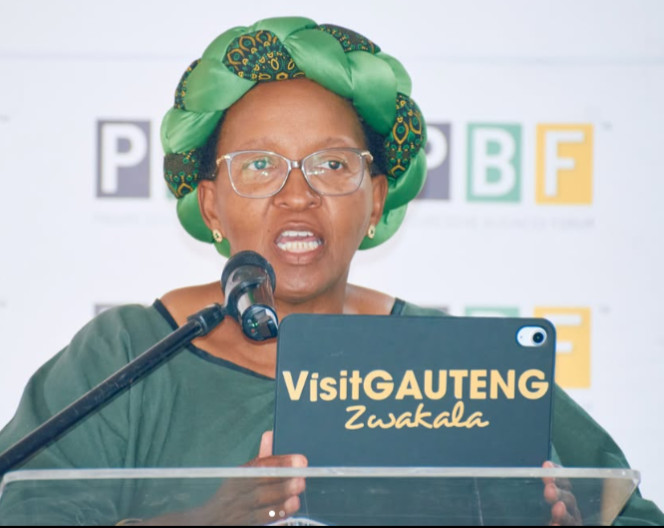
ANC Treasurer-General and PBF Chairperson Dr Gwen Ramokgopa highlighted the importance of industry investment in health initiatives aimed at reducing harm, linking improved health outcomes to sustainable economic growth.
She emphasised the importance of collaboration between government, business and communities in developing practical solutions to public health challenges.
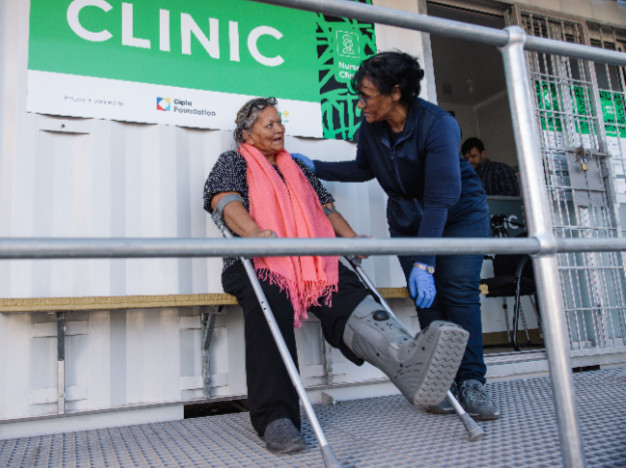
Gauteng Health MEC Faith Mazibuko drew attention to the pressure on the province’s public healthcare system, highlighting the millions of patients accessing hospitals and clinics. She stressed the importance of strengthening primary healthcare and community outreach programmes to improve access and reduce pressure on hospitals.
Minister of Trade, Industry and Competition Parks Tau highlighted the relationship between poverty, inequality, substance dependence and economic participation. He noted that poorer communities are often exposed to particularly harmful substances and their social and economic consequences.

“We have to and are working on programmes that reduce dependence on these substances as a means to ensure greater economic activity,” he said.
Tau questioned whether enforcement alone could address substance dependence, arguing that interventions should be informed by scientific evidence.
“For as long as we think we’re going to force you, that you will stop because we forced you, science suggests that it does not work that way,” he said.
Health policy expert and clinician Dr Confidence Moloko argued that harm reduction should be recognised as an important component of public health policy.
Referring to international approaches, including those recognised by the World Health Organization (WHO), UNAIDS and the United Nations Office on Drugs and Crime, he said: “Now, we cannot have a good approach being reserved for developed countries and not being used in the developing countries.”

Professor Monique Marks argued that South Africa’s healthcare system places too much emphasis on treatment rather than prevention, lifestyle management and sustained recovery.
She called for an integrated approach addressing physical and mental health, social circumstances and substance dependence.
Marks emphasised the importance of “reducing harm without moralising”, highlighting how community-based interventions can improve quality of life and encourage access to essential healthcare services.
The colloquium proposed establishing a multisectoral task team involving government, business, academic institutions and the PBF, strengthening public-private partnerships and advancing research into the economic benefits of prevention.
The discussions highlighted the need for evidence-based policies that improve health outcomes while reducing the long-term economic burden.