





GAUTENG CONTINUES TO INTENSIFY THE FIGHT AGAINST HIV AND TUBERCULOSIS THROUGH RETENTION OF CLIENTS ON TREATMENT AND PREVENTION MEASURES
The Gauteng Department of Health (GDoH) is continuing to strengthen the fight against HIV and Tuberculosis (TB), with statistics indicating improved retention of clients on treatment in the 2025/26 financial year compared to the 2024/25 financial year.
1 of 2 .
In the 2025/26 financial year, Gauteng saw 1 295 104 HIV clients remain on treatment, while 27 471 patients were treated for TB, compared to the previous financial year, when the province reported 1 261 198 HIV clients remaining on treatment and 24 613 patients treated for TB.
This achievement, highlighted in the GDoH’s Annual Report for the 2025/26 financial year, can be attributed to the Department’s intensified tracing and tracking of clients who miss appointments, actioning missed-appointment lists, and referring individuals who tested positive for HIV to Ward-Based Primary Healthcare Outreach Teams for tracing and follow-up. Other contributing initiatives include the 1.1 Million ART and Khumbule Khaya campaigns.
For TB, the increase of 4 183 patients on treatment was attributed to effective tracing of patients initially lost to follow-up, as well as the use of WhatsApp messages reminding patients to return for their TB results and, if positive, commence treatment on the same day.
Although the number of people who remained on HIV treatment increased compared to the previous financial year, the figure remains below the target of 1 486 958. This can be attributed to high loss to follow-up rates, missed appointments, and incorrect contact details.
However, the Department has implemented a number of interventions to improve coverage through initiatives such as the Transfer-Out Standard Operating Procedure for the formal handover of patients moving from one healthcare facility to another, ensuring uninterrupted antiretroviral therapy (ART).
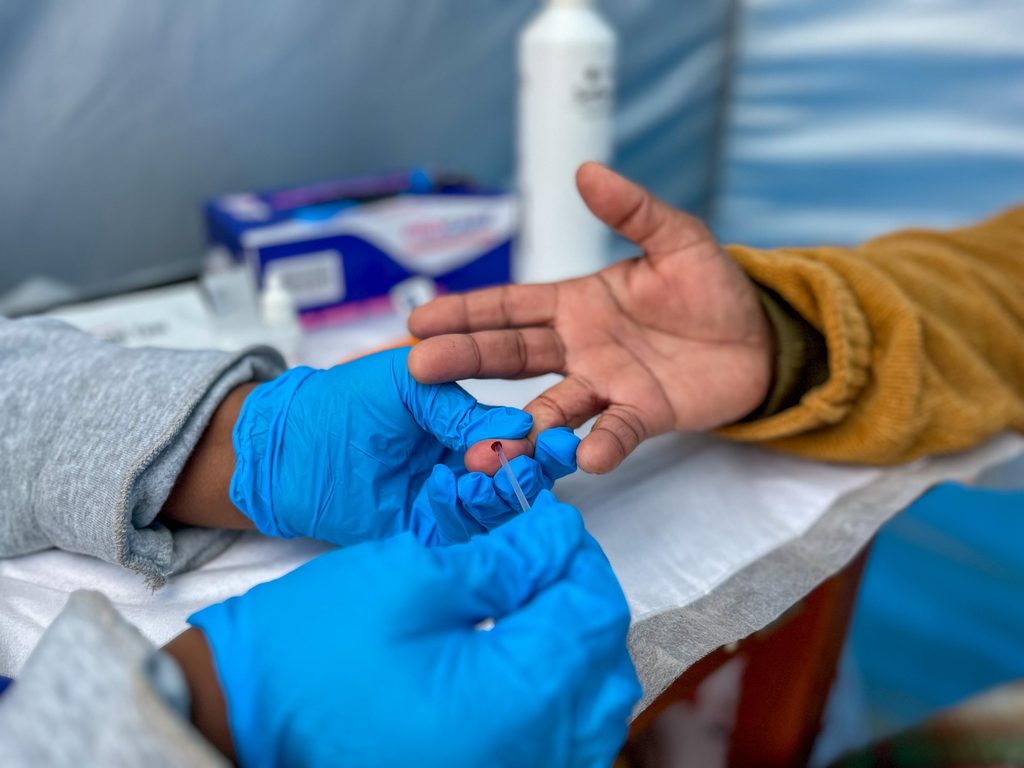
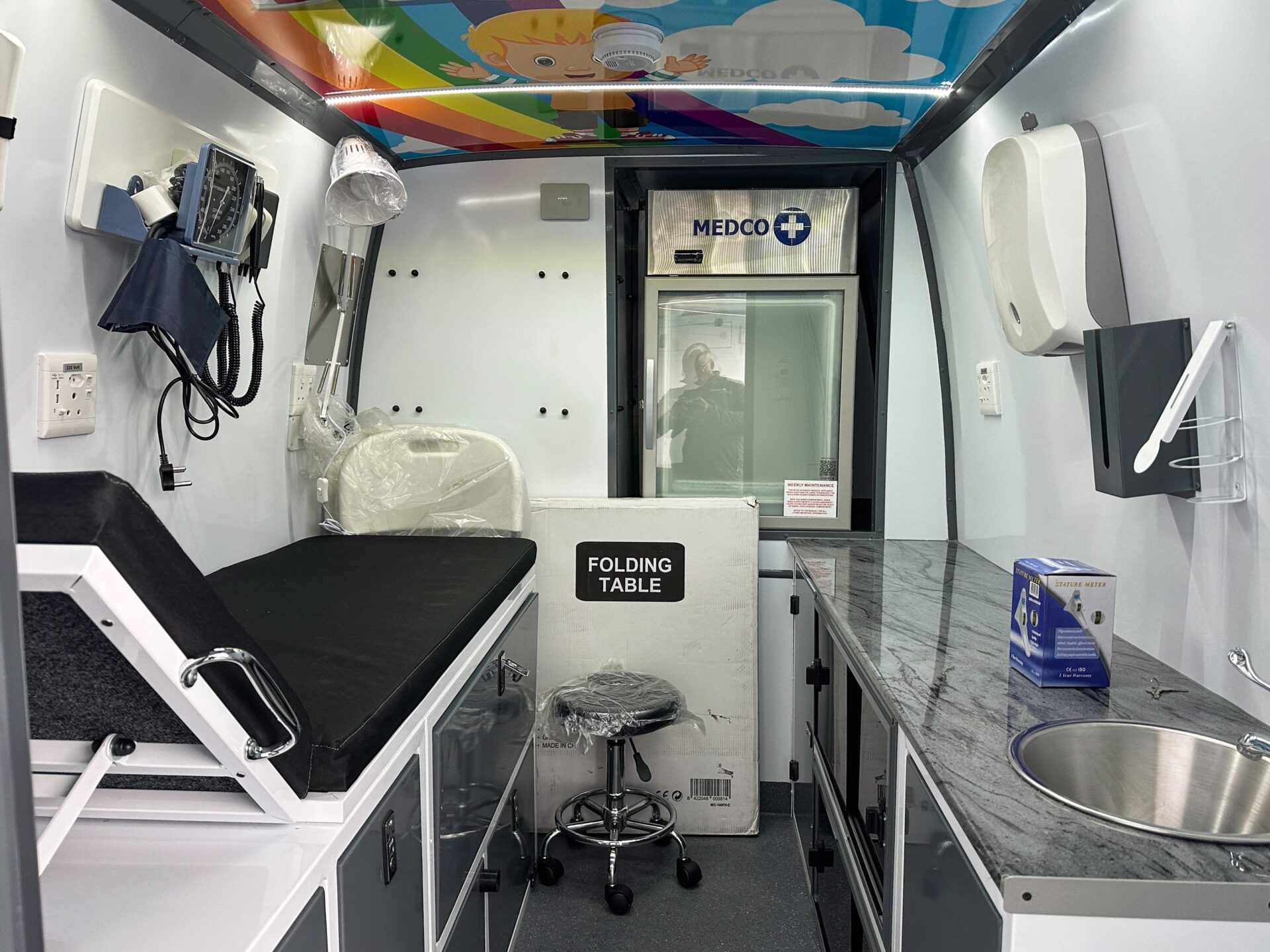
Additional interventions include seven-day telephonic tracing, the enrolment of eligible patients on six-month ART dispensing through the Central Chronic Medicine Dispensing and Distribution (CCMDD) programme, strengthened WBOT tracing, the repurposing of HIV Testing Services non-profit organisations for tracking and tracing, and intensified outreach programmes such as Siyabaphilisa, through which healthcare services are taken to townships, 2 of 2 informal settlements, hostels, and farming communities.
A notable achievement for the Department in the 2025/26 financial year is the increase in the number of HIV-positive children retained on ART at 12 months, which rose to 71.7% from 70.8% in the previous financial year. Adult viral load suppression increased to 81.5% from 73.9%, while child viral load suppression improved to 58.4% from 49%.
Gauteng also recorded a decline in the percentage of HIV-positive people aged 15 to 24 years, from 0.9% in 2024/25 to 0.8% in 2025/26. Although this reduction is modest, it can be attributed to HIV index-contact testing, a case-finding strategy that identifies the sexual partners, needle-sharing partners, and biological children of people living with HIV and offers them voluntary testing.
Additional contributing interventions include the expansion of Pre-Exposure Prophylaxis (PrEP), Voluntary Medical Male Circumcision (VMMC), improved case finding, early detection, and enhanced linkage to treatment and prevention services.
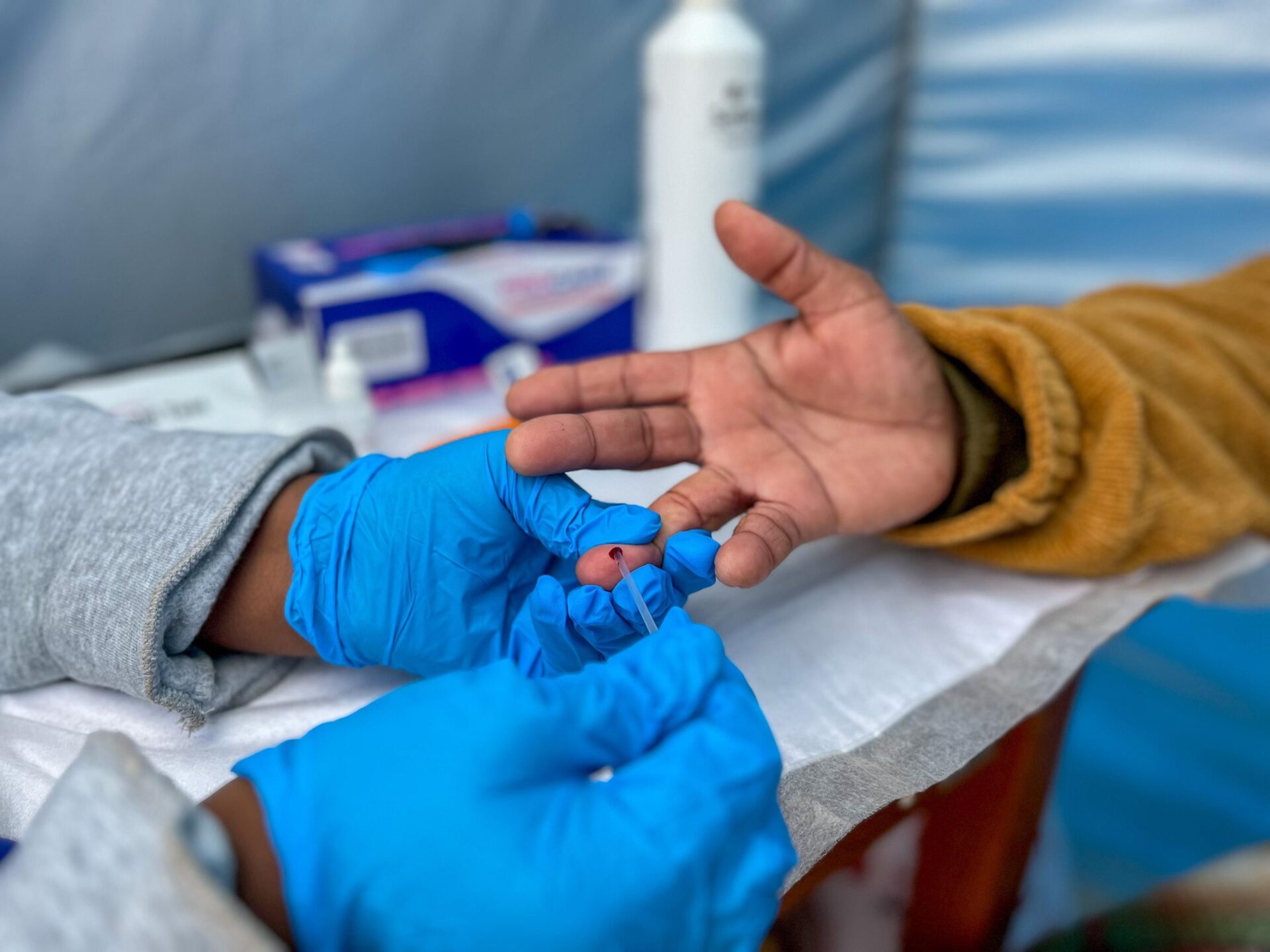
The province conducted 4 935 976 HIV tests in the 2025/26 financial year.
Although this is lower than the 5 191 951 HIV tests conducted in 2024/25, it exceeds the annual target of 4 857 179, representing an achievement rate of 102%.
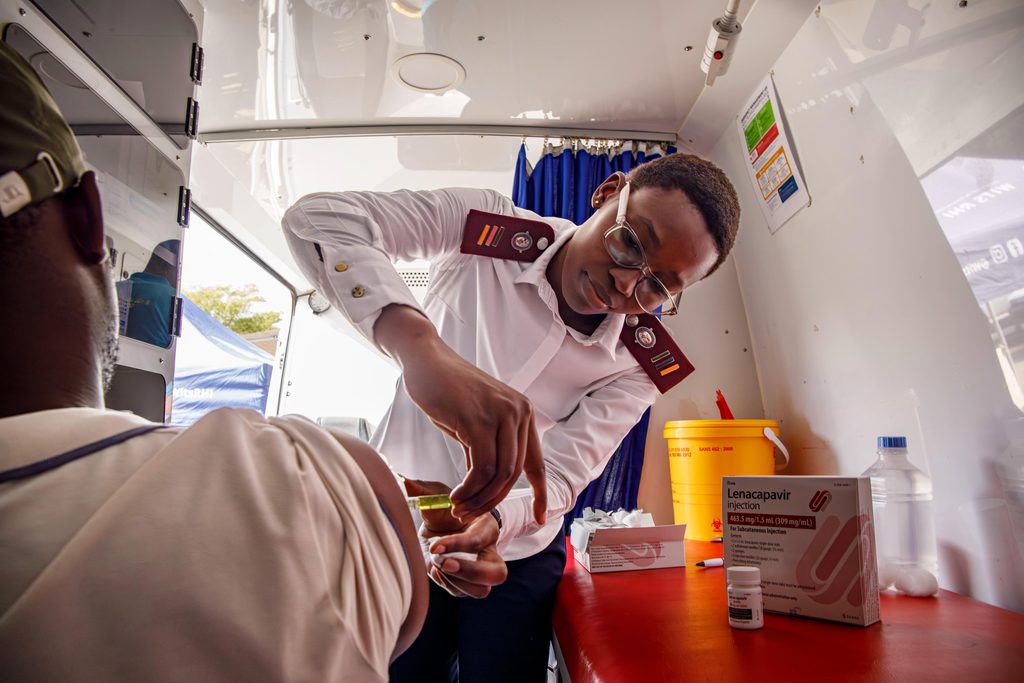
It is worth noting that between June and August this year, the Department recorded 24 390 new Lenacapavir initiations, ensuring that initiates are protected against HIV for six months.
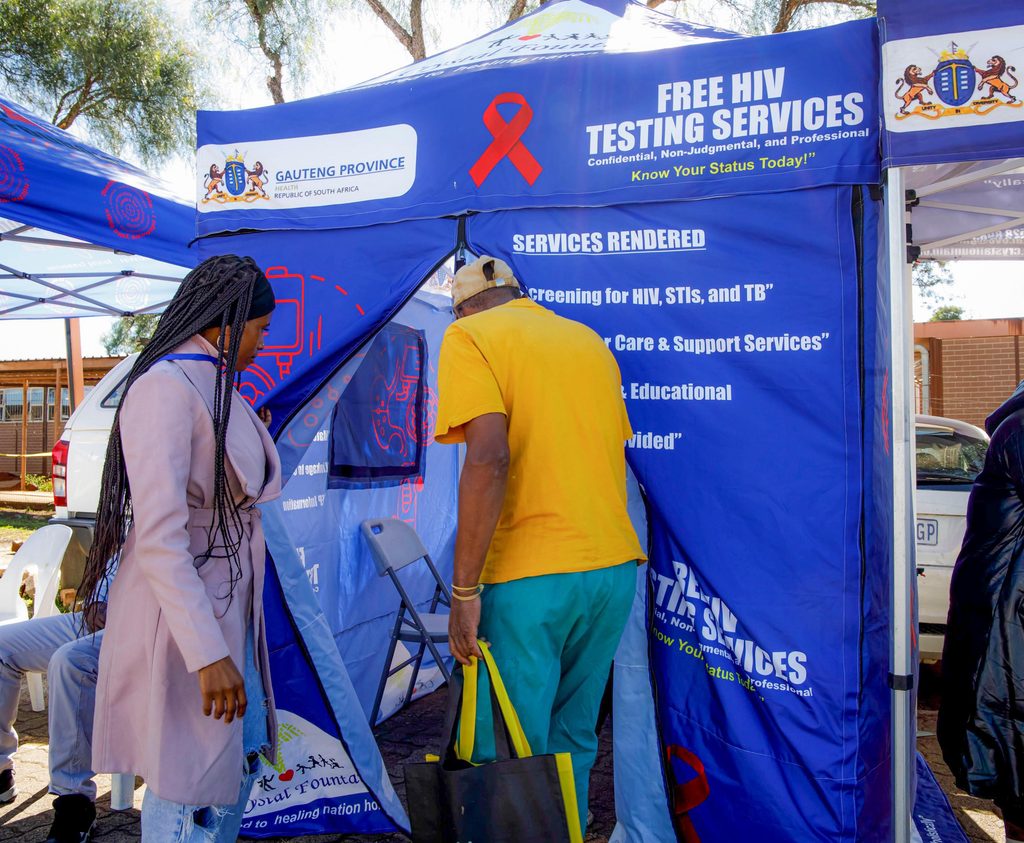
Johannesburg leads with 9 723 initiations, while Sedibeng recorded the highest performance in July at 136% and currently leads August performance at 56%.
The GDoH will continue intensifying efforts to increase the number of people remaining on HIV treatment and ensure that TB patients complete their treatment.
The Department will also continue strengthening HIV prevention measures, including the rollout of Lenacapavir, PrEP, VMMC, and the distribution of male and female condoms in public spaces such as taverns, taxi ranks, youth centres, universities, and community events.
INFO. GAUTENG HEALTH