






GAUTENG HEALTH PROMOTES HANDWASHING TO PROTECT LEARNERS AND BUILD HEALTHIER COMMUNITIES
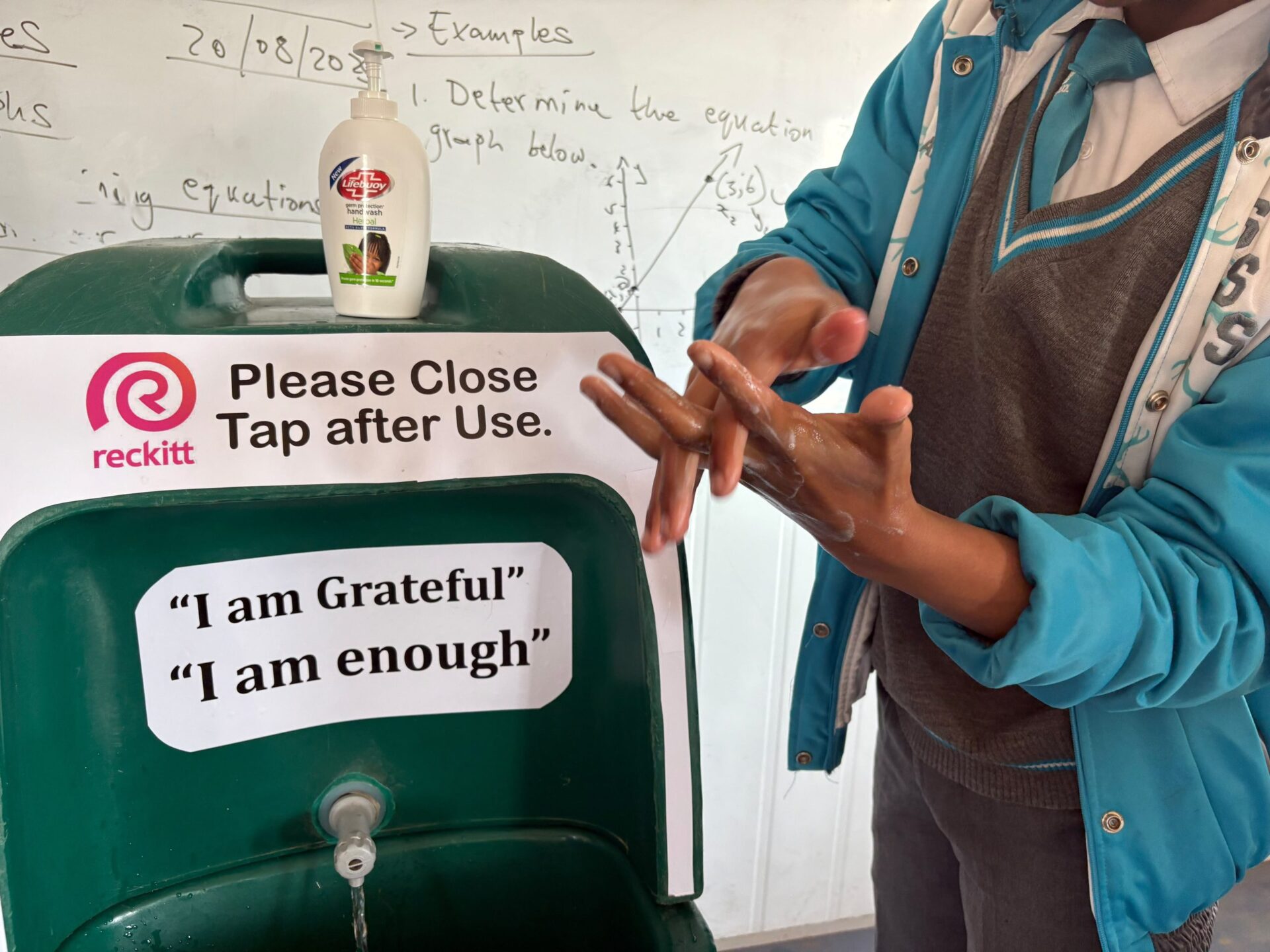
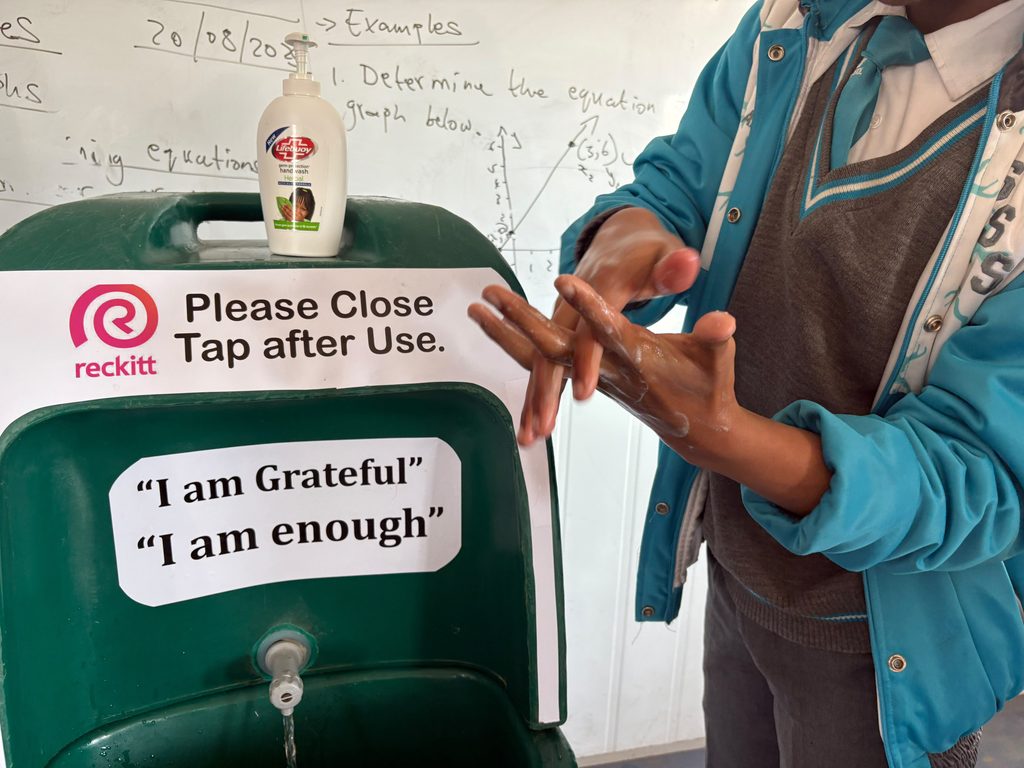
THE Gauteng Department of Health (GDoH) is urging residents to make handwashing with soap and clean water a daily habit to prevent the spread of infections and protect the health of their families and communities.
Global Handwashing Day, observed annually on 15 October, highlights the importance of handwashing with soap as a simple and effective way to prevent disease.
This year’s global campaign theme, “Be a Handwashing Hero”, encourages individuals, families and communities to make proper hand hygiene part of their daily routines.
The commemoration coincides with Gauteng School Health Awareness Week activities, taking place from 12 to 16 October 2026.
During the week, school health teams visits targeted schools across all five Gauteng health districts to provide comprehensive health screening, health education and other essential services to learners.
As part of these visits, learners receive education on proper handwashing, alongside other health promotion topics, including oral hygiene, eye and ear health, nutrition and healthy lifestyle choices.
The initiative aims to equip learners with knowledge and practical skills to protect their health at school and at home.
The School Health awareness activities target 64 schools across the province, with a combined enrolment of more than 64,000 learners.
The initiative brings together the Gauteng departments of Health, Education and Social Development, as well as Dettol as supporting partners, to strengthen the Integrated School Health Programme and address health barriers that may affect learning and educational outcomes.
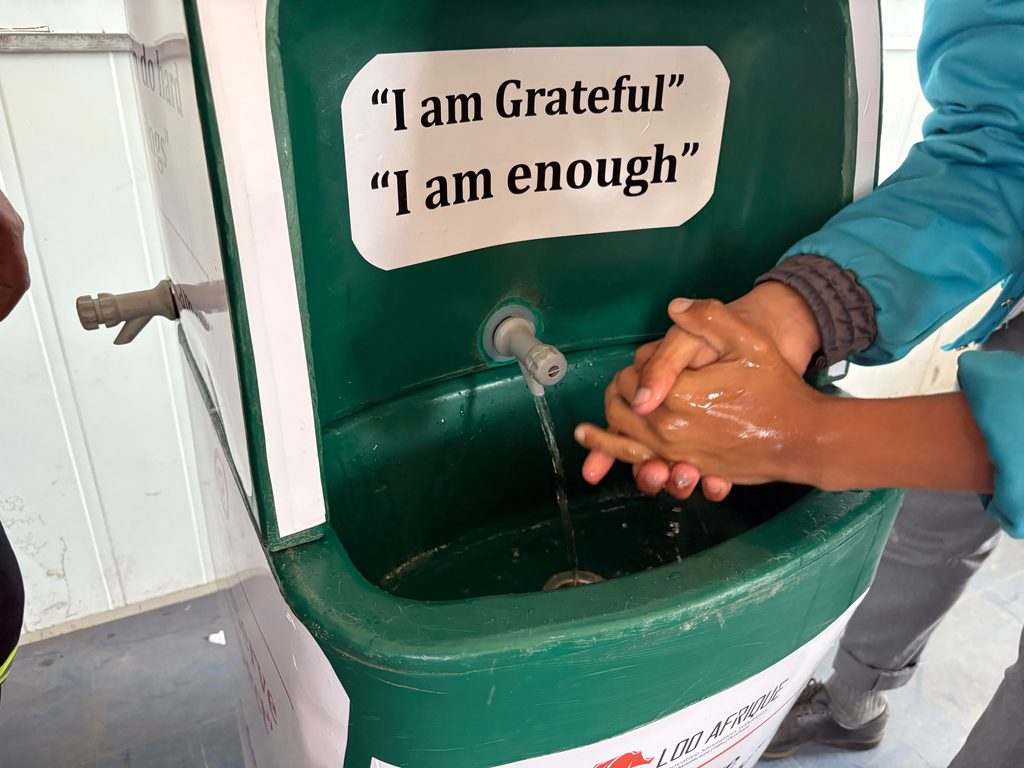
Handwashing with soap and clean water helps prevent the spread of infections, including diarrhoeal diseases and respiratory illnesses.
Teaching children to wash their hands correctly from an early age also helps establish healthy habits that can benefit their families and communities.
The Department encourages residents to wash their hands before preparing or eating food, after using the toilet, after changing a baby’s nappy, after coughing or sneezing, and whenever their hands are visibly dirty.
Proper handwashing involves wetting the hands, applying soap and rubbing all surfaces, including the palms, backs of the hands, between the fingers, thumbs and underneath the nails, for at least 20 seconds. Hands should then be rinsed with clean running water and dried using a clean towel or an appropriate drying method.
Access to soap and clean water is essential for people to practise proper hand hygiene consistently. Schools, households and other public spaces should have appropriate handwashing facilities to support healthy hygiene practices.
The Department calls on parents, educators and communities to reinforce handwashing education by encouraging children to wash their hands regularly and ensuring that soap and water are available wherever possible.
Proper hand hygiene is equally important in healthcare facilities, where it forms part of infection prevention and control measures. Healthcare workers, patients and visitors are encouraged to observe hand hygiene practices to help protect patients, staff and the broader community from preventable infections.
The GDoH encourages every resident to become a handwashing hero by practising proper hand hygiene every day. Through health education, school-based interventions and community participation, residents can help build healthier schools and communities.
Issued by Health Department Gauteng